

Planting a garden can feel pretty intimidating if you’ve never done it before. But don’t worry—these eight tips for How to Start a Garden will help you jump in with confidence.
Before we get going, you should know something about me: I’m not a master gardener. I’m not even a great gardener. I’m a no‑fuss gardener. I don’t grow plants that need babysitting or a dozen steps to keep alive. If it’s needy, dramatic, or high‑maintenance… it’s not for me.
I’m also not the type to try multiple new plant varieties. My garden space is precious, and I’m usually not willing to sacrifice a square foot for something that might decide to just… give up on life. Call me boring, but if I’m putting in the sweat equity, I want a reward at the end—preferably a tasty one.
Try New Things
But I also know that if you never try anything new, you never learn what you’re capable of or what you might like. While I love my “old faithfuls,” I make it a point to try at least one new variety of something every year. Sometimes it’s a total flop, but sometimes I am pleasantly surprised.
“Unless you try to do something beyond what you have already mastered, you will never grow” – Ralph Waldo Emerson
What I’ve Tried (and What I’ve Learned)
To give you an idea of my trial-and-error journey, let’s look at the highlights. Or, in some cases, the lowlights.
A few years ago, I tried watermelons. They never fully ripened—a heartbreak I knew was possible in our climate, but one I had to experience for myself. Prediction confirmed! One day maybe I’ll have a greenhouse to grow them in.
Then there was the corn. It grew beautifully, standing tall and proud… right up until the harvest. Preserving it was messy, sticky, and incredibly time-consuming—BTW, I’m also a No-fuss canner— so I hated every single minute of the process. Was it delicious? Yes, we enjoyed a lot of fresh corn on the cob that year. But was it worth the precious garden real estate? Absolutely not. If my family ate corn by the truckload, it might be a different story, but we don’t. So, the corn had to go.
But then came the Buttercup squash. A friend shared some seeds, and I figured, why not? Now, I grow them every single year. They are buttery, meaty, and super tasty when roasted with olive oil, maple syrup, and a pinch of salt. It was the surprise win I didn’t see coming!
This year, I’m stepping out on a limb with Armenian cucumbers. Given my recent track record with cucumbers (let’s just say I’ve been single-handedly keeping the local farm stand in business for my pickling cukes), there’s a high probability of a “learning experience” here… but we shall see. I’ll be sure to keep you posted on whether they’re a hit or a total bust.
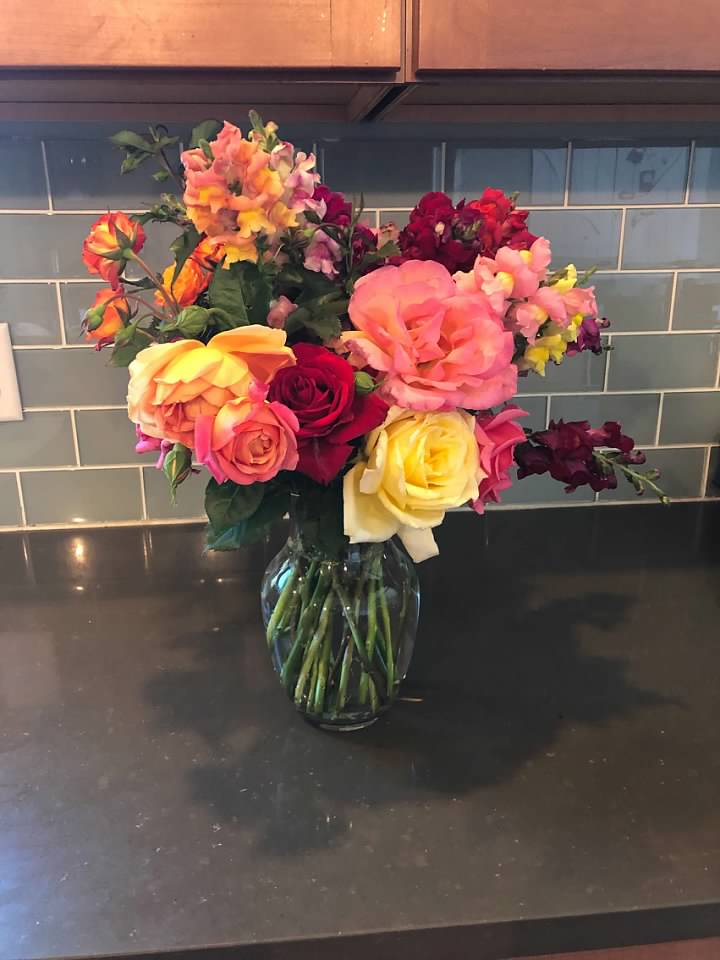
Oh, I’m also turning that old corn patch into its own little cut‑flower plot, and I honestly couldn’t be more excited about it. Over the last couple of years, I’ve learned just how essential beauty is in the garden—color, texture, and variety bring a kind of joy that vegetables alone can’t match. My daughter has developed quite the knack for arranging flowers, and I absolutely love seeing blooms growing outside and bouquets brightening up our counters inside.
The moral of the story? You’ll have flops and you’ll have triumphs, but you won’t know which is which until you get your hands dirty. Even the “failures” are just lessons in disguise—they teach you what not to waste your time on next year!
You Can do This
Whether you have a massive backyard or one sunny windowsill, you have what it takes to grow something beautiful. Gardening isn’t about being perfect; it’s about being present. So, let’s get growing!
How to Start a Garden: 8 Tips for the New Gardener
1. Start Small
If this is your first garden, know that it will be a “learning year”. Keep things manageable. Start with 2–3 plants if you’re feeling intimidated. Master those first, then expand. Small wins build the kind of confidence that keeps you coming back next season.
2. Remember: You’re Learning
Gardening is a skill, and like any skill, it takes time to master. Give yourself some grace—and a little kick in the pants—to just try. The absolute worst thing that can happen is you end up buying your tomatoes at the store… which is exactly what you were going to do anyway if you didn’t plant the garden!
3. Plant What Grows Well (and What You’ll Actually Eat)
Zucchini will grow just about anywhere, but if you hate zucchini, don’t grow it! Unless you have goats or chickens who—like mine—love the giant, “oops-I-forgot-to-pick-it” zucchinis that seem to explode to overnight.
Confidence Boosters: Lettuce and spinach are fast and easy.
The Long Game: Tomatoes can be finicky. It took me nine years of struggling to finally have a “best-ever” tomato year.
Pro Tip: If you aren’t sure what thrives in your area, join a local gardening group on Facebook or call your Local Extension Office. Gardeners love helping newbies!
4. Know Your Zone
Your “Planting Zone” is based on your area’s average lowest winter temperature. We’re in Zone 6b, which means we don’t even think about planting outside until around Mother’s Day. So, no matter how much I want Okra, it just won’t happen here—it’s too cold for too long. Thankfully I don’t like Okra, so that’s a non-issue.
Don’t get hung up on the tiny details; just Google “What is my gardening zone?” and let that be your guide.
5. Location, Location, Location
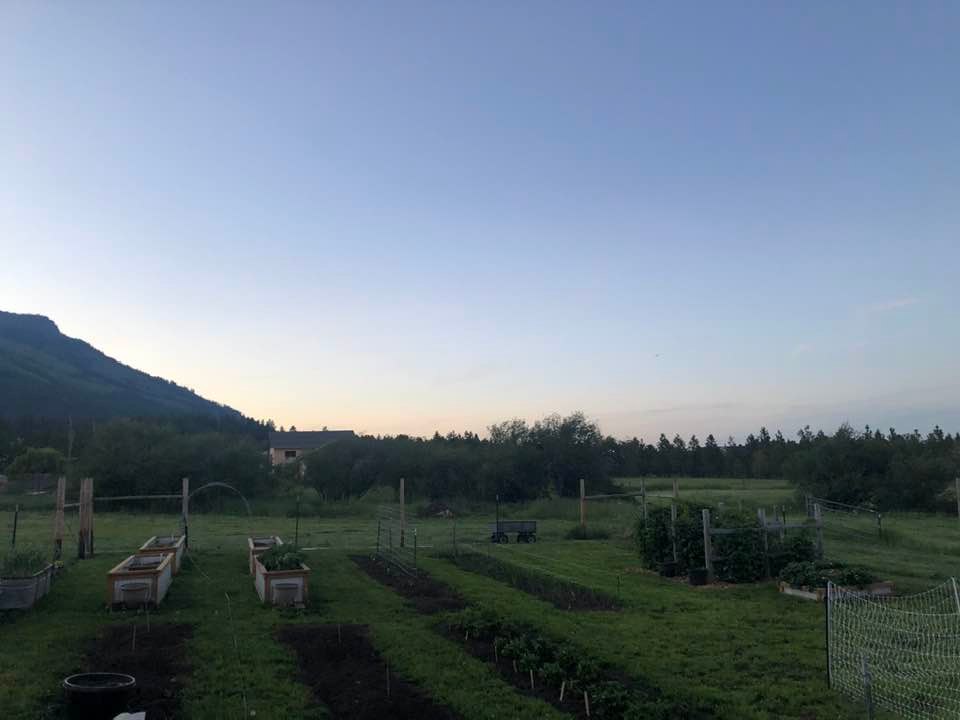
Finding the right spot for your garden is one of the most important decisions you’ll make when you’re starting out. A great location sets you up for success before you ever plant a seed. Here are the key things to think about:
Sunlight: Most veggies (tomatoes, peppers, squash) want 8+ hours of direct sun. Greens (lettuce, spinach) are happy with 5–6 hours and can handle afternoon shade.
Drainage: Plants don’t do well with super wet soil. So, if your garden area stays soggy or you have heavy clay, skip the in-ground beds and go for containers or raised beds.
The Finger Test: Stick your finger an inch into the soil. If it’s moist, skip the watering.
6. Pick Your “Bed” Style: In-ground, Container, or Raised Beds
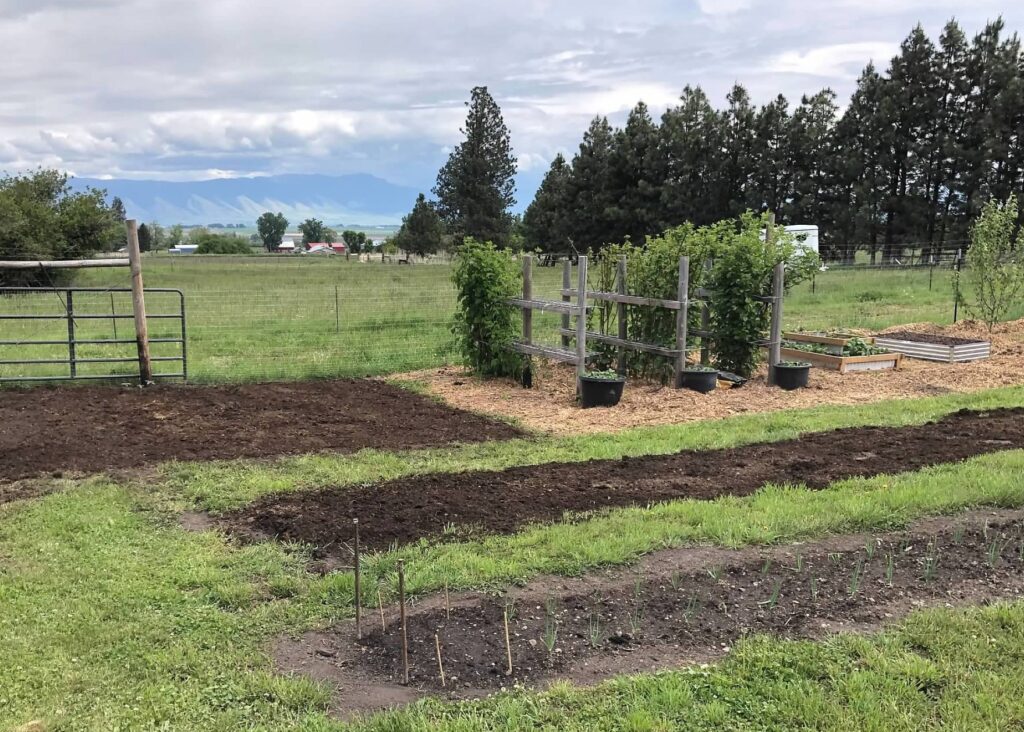
Any of these options can work great— it just depends on your space, your climate, and how much time you want to spend tending your garden.
In‑Ground Beds
In‑ground beds give your plants more room to stretch their roots and usually hold moisture better. They’re ideal for bigger harvests or for growing things like squash, potatoes, pumpkins, or larger tomato varieties. If you’ve got the space and decent soil, in‑ground gardening can be a low‑maintenance option once everything is established.
Containers
Containers are perfect if you’re short on space, dealing with poor soil, or want something low‑commitment. You can move them around to chase the sun, and they’re great for herbs, greens, peppers, and compact tomatoes.
Just remember: containers dry out faster than in‑ground beds, so they’ll need more frequent watering.
TIP: If you don’t care about matching pots, thrift stores are treasure troves. But if you want them to be matchy-matchy, you can even spray‑paint the outside of them. Buckets can work too — just drill drainage holes in the bottom.
Raised Beds
Raised Beds are a nice middle ground between in‑ground gardening and containers. They give you the structure and good drainage of a container, but with the growing space and root depth of an in‑ground bed. They’re especially helpful if you’re dealing with rocky soil, poor drainage, or you just want a tidy, organized garden layout. I for one, love a nice clean row with straight lines in my garden.
The downside to raised beds is usually the cost — they can add up fast. My husband built a few beautiful, large permanent ones for our garden, but over the years I’ve also slowly added several of these smaller galvanized raised garden beds from Amazon whenever they go on sale. And when I say, “on sale,” I mean deals like a two‑pack for under $60. The price is fantastic, and the best part is that these beds are lightweight enough to move to a new spot—or even a new property if needed.
7. Seeds vs. Starts
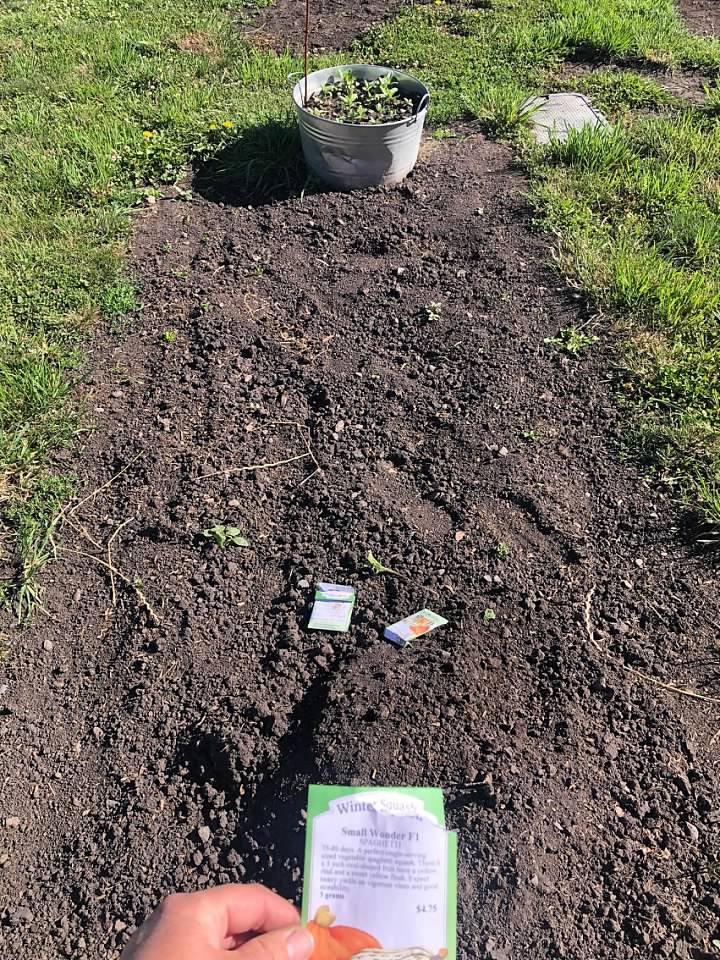
When you’re starting a garden, one of the first decisions you’ll make is whether to grow from seeds or buy starts.
Seeds are cheaper and give you way more variety, but they take more time, attention, and the right indoor setup if you live in a colder climate.
Starts, on the other hand, are baby plants that have already done the hard work of germinating. They cost more, but they’re perfect for beginners because you can skip the stressful part and get straight to planting.
If you’re new to gardening or just want a higher success rate, starts are the easiest way to go. If you’re feeling adventurous or want to save money, try a few seeds alongside your starts and see what you enjoy more.
My No-Fuss Confession: After years of trying to start seeds indoors, I’ve officially given up. Without a greenhouse or a good setup for grow lights, it’s just too much work for too little success. So, until the day I finally have a greenhouse of my own, I’ve settled into a happy middle ground: I direct‑plant the seeds that do well in my soil and climate, and I buy starts for the plants that need a much earlier head start than my zone can provide.
8. Don’t Overthink It—Just Dig In!
Gardening doesn’t have to be complicated or overwhelming. Start small, learn as you go, and let yourself enjoy the process. You might be surprised by what grows — and by what you grow into along the way.
Life Lessons from the Garden

When I first got married and carved out a tiny garden in a corner of our duplex’s yard, my intention was simple: I wanted a few fresh veggies for the summer. Little did I know that small decision would become a seed for greater fruit in our lives and, for me, a harvest in my soul.
Each year, God uses my garden to reveal areas of His character more deeply.
Maybe it’s found in the quiet solitude—the rare chance to disconnect from outside distractions.
Maybe it’s the literal “grounding” found when my hands are deep in His creation.
Or maybe it’s the invitation to participate in His restorative process of redemption and renewal.
Whatever the reason, the garden has become a sanctuary of calm and beauty that fills my soul. It offers both a deeper knowledge of who He is and a living symbol of what He wants to do in my own life.
There is something holy in the process: turning literal waste—the very ‘crap’ the enemy intended for destruction in my life—into nutrient-rich soil. Then comes the tending: preparing the ground, planting seeds, pulling weeds, managing pests, and waiting with patience. You see a little growth each day. And then, finally, there’s a bounty of fruit to harvest and share. It becomes a beautiful picture of how the Lord works in our lives as we learn to walk with Him—tending, growing, and eventually, blooming.
Ready to get your hands dirty?
Do you have other tips for the first time gardeners? Leave it in the notes. Whether you’re planting one pot of basil or an entire backyard, I want to hear about it!
And if you’re feeling “in the weeds” of a hard season, I hope this reminds you that something good is being formed beneath the surface, even if you can’t see it yet. Or if you’re longing to go deeper in your walk but aren’t sure where to begin, I’d love to point you to this post on studying the Bible using the SOAP method. These simple study steps have been such a helpful tool in my own life for noticing God’s movement and hearing His voice more clearly.
Lots of great info here! With so many people returning to the land these days, it’s good to have posts like this available for people to read. Gardening, on any scale, is a great way to save on the grocery budget. I hope we see more and more people doing it.
Great post, I like the idea of trying something new, that’s what I do. Thanks for sharing.
These are such great tips for beginner gardeners! Sometimes you have to just throw stuff in the ground and see what happens.
I want to start a garden this year! Thank you so much for sharing this!
Thanks for the great tips! I am struggling with spinach, but maybe starter plants would be easier.